
''SEN YİNE BİLDİĞİNİ YAP''

Studio-X de Workshop'hazırlığı 22 Mart sabahı ve workshop süresince kullandığımız Ultimaker2 3D Yazıcı / 3D Printer
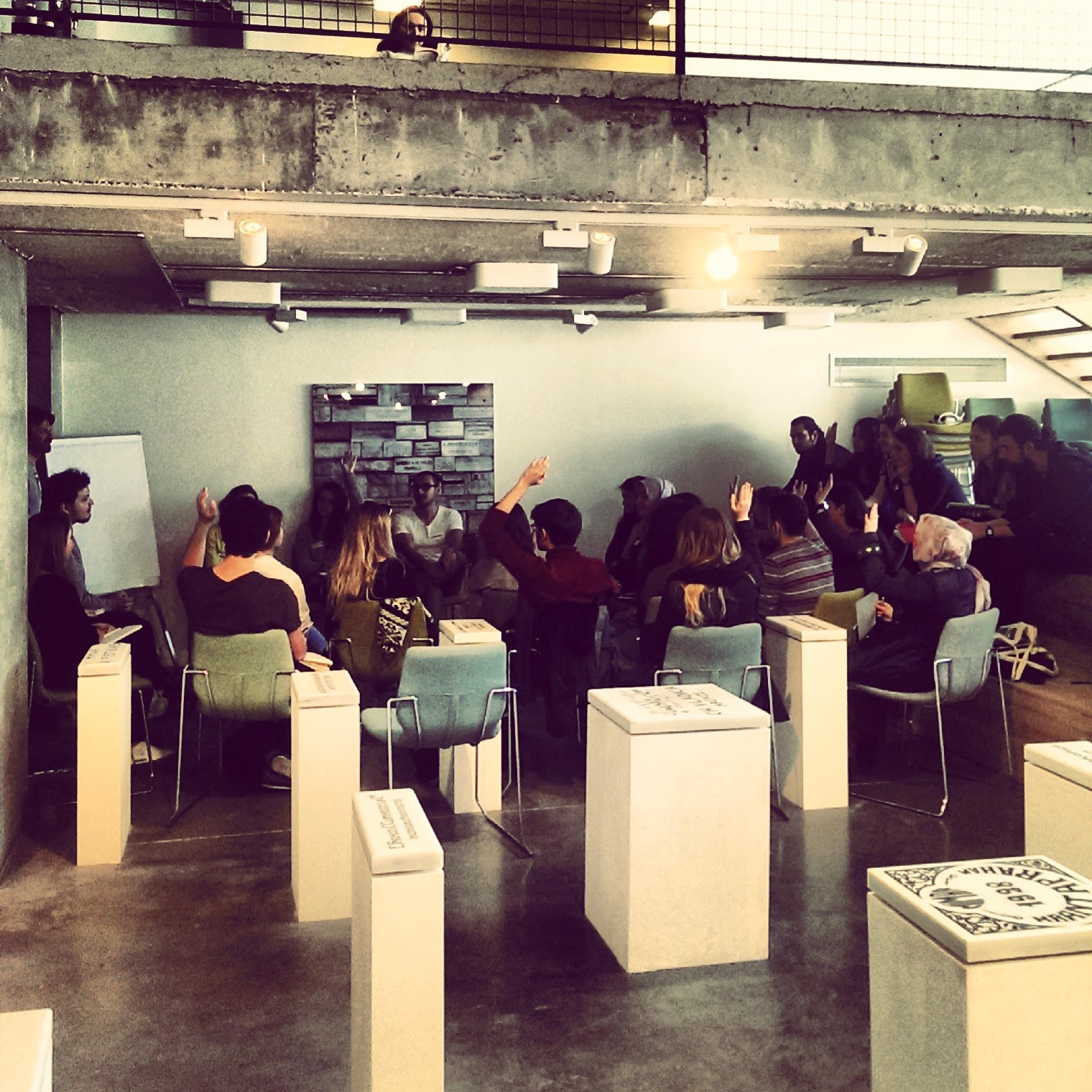
28 Kişilik Workshop Katılımcısı ile açılış konuşması
Yürütücüler : Emre Başoğlu / Heykeltraş | Salih Küçüktuna / Mimar | Deniz Manisalı Leba / Mimar | Ceyhun Derinboğaz / Mak.Müh.
Stüdyo Asistanı : Begüm Aktaş | Yıldız Teknik Üniversitesi Mimarlık Fakültesi | Öğrenci
Sponsorlar : 3Dörtgen | Furkan Bakır
Intuitive Atöylesi; Eğitimin hangi aşamasında olursa olsun bir tasarımcı veya süreciyle benzerlik taşıyan bir başka disiplin adayının soyut duygu veya düşünceyi yapma eylemine dönüştürürken yaşadığı yoğun süreci mimarlık ve heykel alanı içerisinde deneyimlemeyi amaçlıyor.
Tasarımı sürecinin artık doğrusal bir yol izlemediği, sürecin her safhasında deneyimlenen ve keşfedilen yeni bilginin o anda sürece eklendiği son derece esnek ve uyum yeteneği yüksek bir yeni tasarım modeli gelişiyor. Bu modelde erken safhada anonim bilgi veya tecrübe ile edinilmiş ilk ve en etkin sonuç odaklı kısa yol çözümü çoğu zaman doğru sonuca götürse de yaratıcı olmaktan uzak sonuçlar da yaratabiliyor buna rağmen süreçteki keşfedilen ve kısa yolun etrafından dolaşan araştırmalar herhangi bir aşamada sürece dahil olabilme özellikleri ile yeni bir tasarım ve yapma, yaratma kültürü geliştiriyor.Günümüz teknolojilerinin sunduğu olanaklar ve gelişme hızının ivmesi sonuçta bizi baş döndürücü bir niceliğe ulaştırırken nitelikte sorunlu alanları da beraberinde getiriyor. Sağlıksız diye nitelenebilen bu tasarım alanının bir yönüyle de özgürleşmesinin getirdiği bir bildiğini yapma durumu oluyor. Kişinin iç dünyasında yaşadığı ve farklı şekillerde dışa vurduğu yoğun anların yaratıcı zekayı nasıl tetikleyebileceği, yaratıcılık ile bellek arasında nasıl ilişkiler kurduğu ve soyuttan somuta nasıl dönüştüğü halen uygulamalı bir araştırma alanıdır.
İnsan anatomisi ve malzemenin doğasının ve onun alt bilgilerinin geçmiş ve günümüz araçları ve malzemeleriyle karşılaştırmalı incelenmesini heykel disiplini içerisinde, bu soyutlama sürecinde somut nesnenin mekanla ve fiziksel çevre ile kurabileceği ilişkileri ürettiğimiz veya sahip olduğumuz ön bilginin tasarım sürecinde sayısal verilere dönüşüp tasarım sürecine nasıl aktarılabileceği ile ilişkili süreç araştırmasını da mimarlık disiplini içerisinde birbirine referanslarla inceleyeceğiz.
Henüz araştırma safhasında gerçek anlamı ile bir veri olarak kullanılamayan sezgisel(intuitive) tasarım bilgisinin ve bileşenlerinin ( intuitive design , intuitive intelligence ) sahip olduğumuz ancak tam olarak var olup olmadığından akıl yolu ile emin olamadığımız ve tam da bu özelliklerinden dolayı 20. yüzyılın formal eğitiminde gittikçe teknik alanlardan bu konuların uzaklaşıp sadece güzel sanatlar eğitimi alanında kalması merak ve keşfetme alanını tenhalaştırdı. Bilginin keşfedilme, yeniden üretilme ve paylaşılması ve yeni yapma biçimleri ile ilişkilendirilmesi pek çok disiplini tasarımın boş bıraktığı alanına çekmeye başladı. Bu gerekçelerle birincil işi tasarlamak olan disiplinlerin diğer disiplinlerle zorunlu etkileşimi arttı. Bu artan ilginin yeni üretim biçimleri ve araçları ile tam entegrasyonunun gerçekleştirmek için de daha çok bilmek yerine daha az bilgiyle ve daha çok disiplinle işbirliği sayesinde daha çok üretmek yapmak ve yaparak öğrenmenin kendisi günümüzde bir modele dönüştü. Bu atölyenin özelliklerinden birisi bu modelin en çarpıcı enstrümanlarından birisi olan 3 boyutlu yazıcıların günümüz tasarımına hangi yeni ayrıcalıklar getirdiğidir. Diğer özelliği ise heykel ve mimarlığın yaratım sürecinde hangi ortak safhaları barındırdığı, sürecin neresinde ayrıştığı ve hangi noktada birbirini beslediği ve birbirine referanslar verdiğidir.
Uygulayacağımız yoğun tasarım üretimi sürecininin çıktılarından birisi sezgiden bilgiye veya tersi karşı referanslarla ürettiği / üreteceği analog veya dijital tasarım modelinin / prototipin 3boyutlu yazıcı (3d printer) ile basılarak üretilmesi ve fiziksel nesneye dönüşmesi. Diğeri ise bu üretim tekniğinin tasarımda hangi alanları etkilediğinin, günümüzde ve gelecekte neye dönüşebileceği ile ilgili çok katmanlı deneysel bir öngörü oluşturabilmektir.
Atölyeyi intuitive kelimesinin etimolojik kökenleri ile ilgili kısa bir konuşmada neden sezgisel değil de intuitive kelimesini kullandığımızı anlattığımız kısa girişle ve tartışmayla açıp Türkçe anlamı ile tam karşlığı anlaşılamayan ancak en çok kullandığı teknoloji olan 3 boyutlu yazıcılar ile üretimi de kapsayan ”Additive Manufacturing” e de kısaca göz atacağız. Atölye sırasında tasarımlarımızı da 3 boyutlu olarak üretmeyi hedefliyoruz.


